

Rikers Island Timeline Project
A Personal Journey
“Rikers Island is more than a place I studied. It is a place that changed my life.
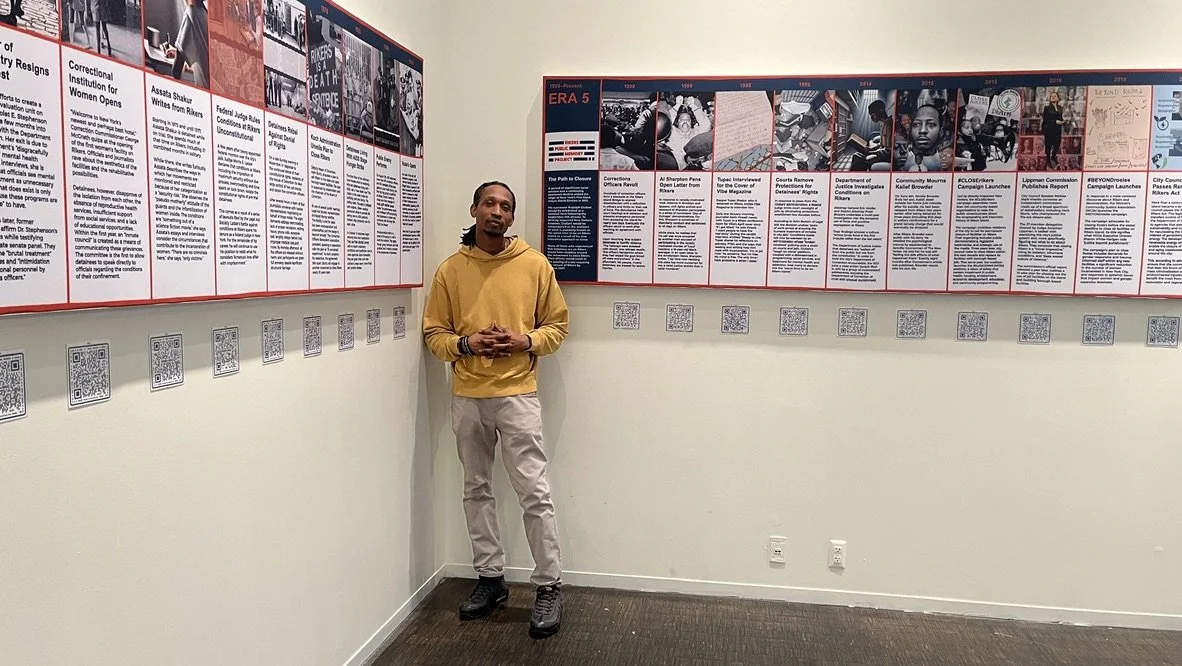
I arrived on Rikers Island as a teenager and celebrated my eighteenth birthday behind its walls. Like thousands of other young people, I experienced the violence, fear, uncertainty, and dehumanization that have defined Rikers Island for generations. Those experiences shaped how I understood justice, dignity, and the responsibility we all share to build something better.
Years later, after returning home, completing my education, and dedicating my life to art, research, ministry, and community organizing, I found myself returning to Rikers in a very different way. This time, not as someone incarcerated there, but as an artist, researcher, and collaborator committed to preserving its history and contributing to the movement to close it.
Listen to my personal reflection on turning eighteen on Rikers Island and how that experience continues to shape my work today.” Rev. Isaac I. Scott
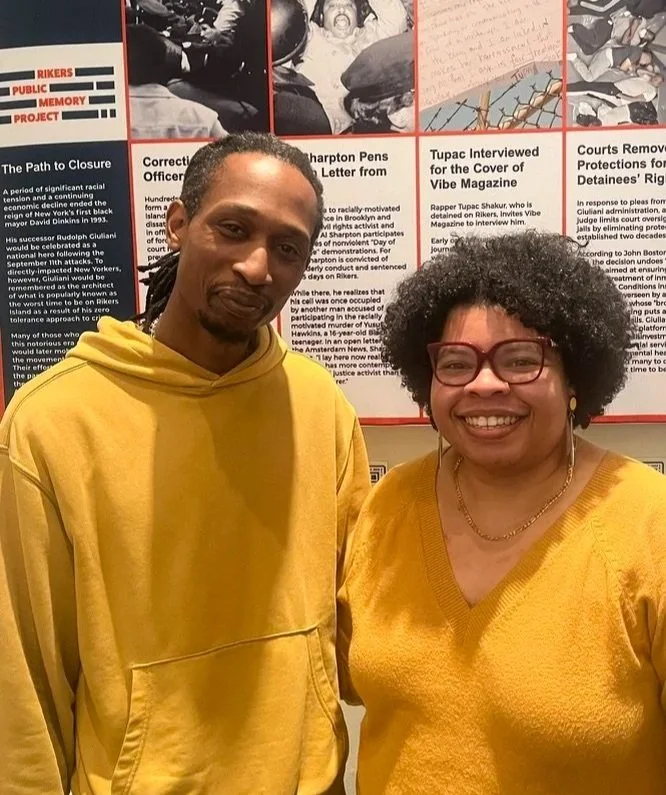
![Isaac Scott 24-25 Headshot by Jamie.jar-175[updated].jpg](https://images.squarespace-cdn.com/content/v1/67d478a24ec76b6f734e3744/a7a779e8-0a7f-441b-832a-a550bbf4370a/Isaac+Scott+24-25+Headshot+by+Jamie.jar-175%5Bupdated%5D.jpg)
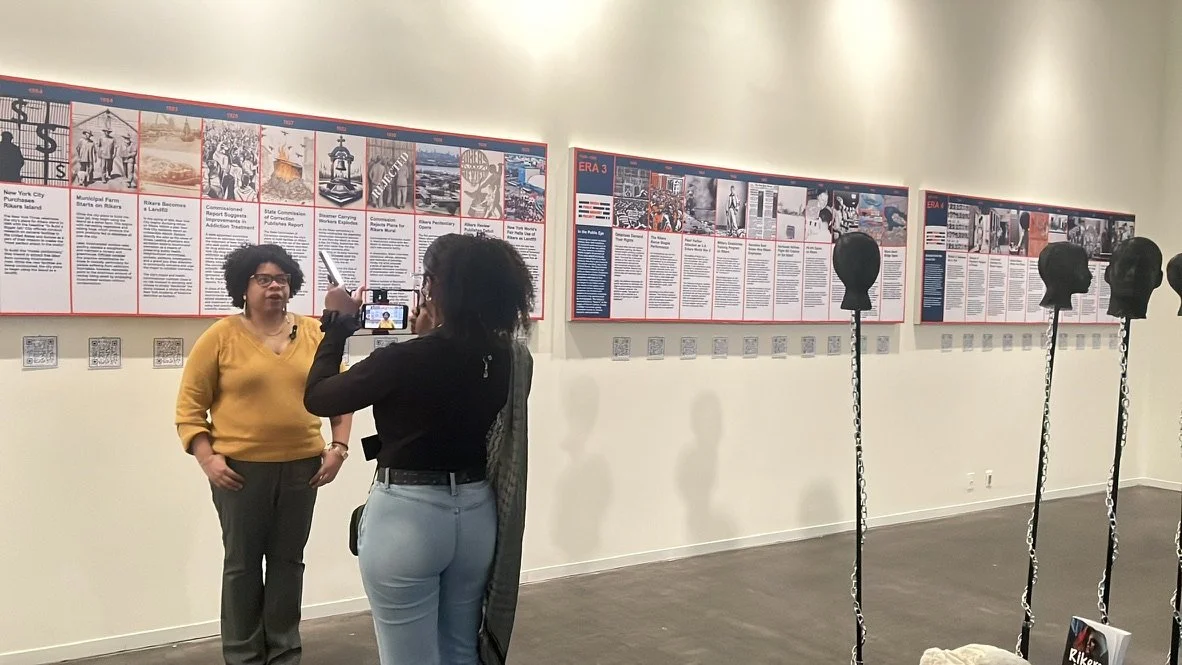
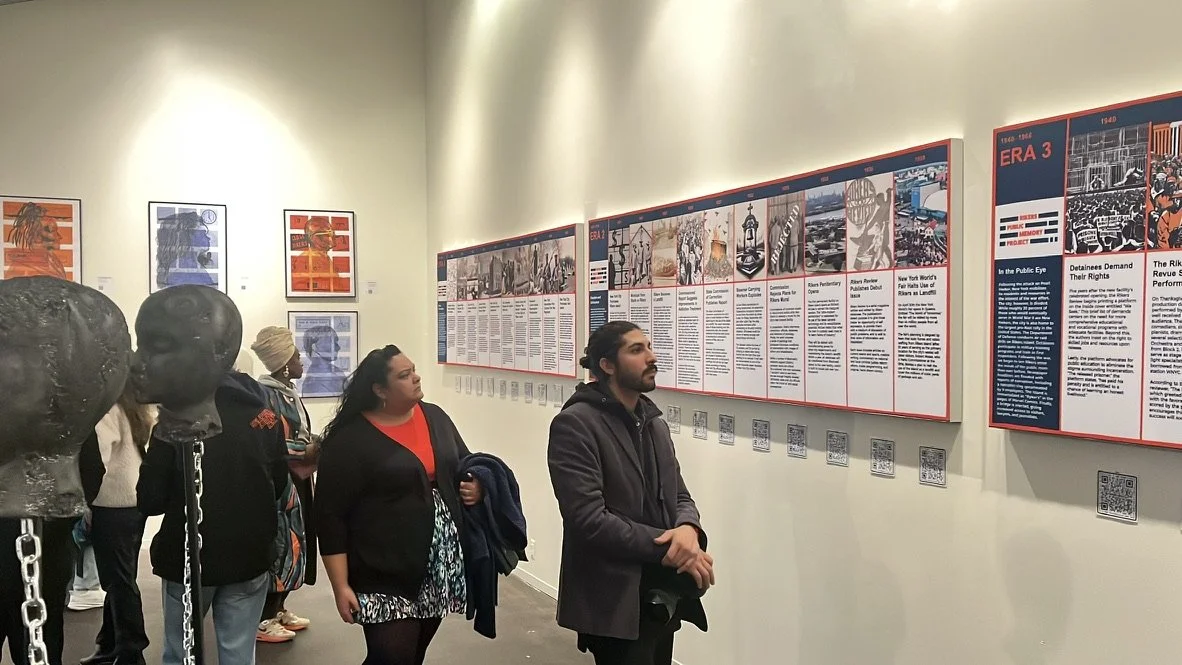
The Rikers Island Timeline
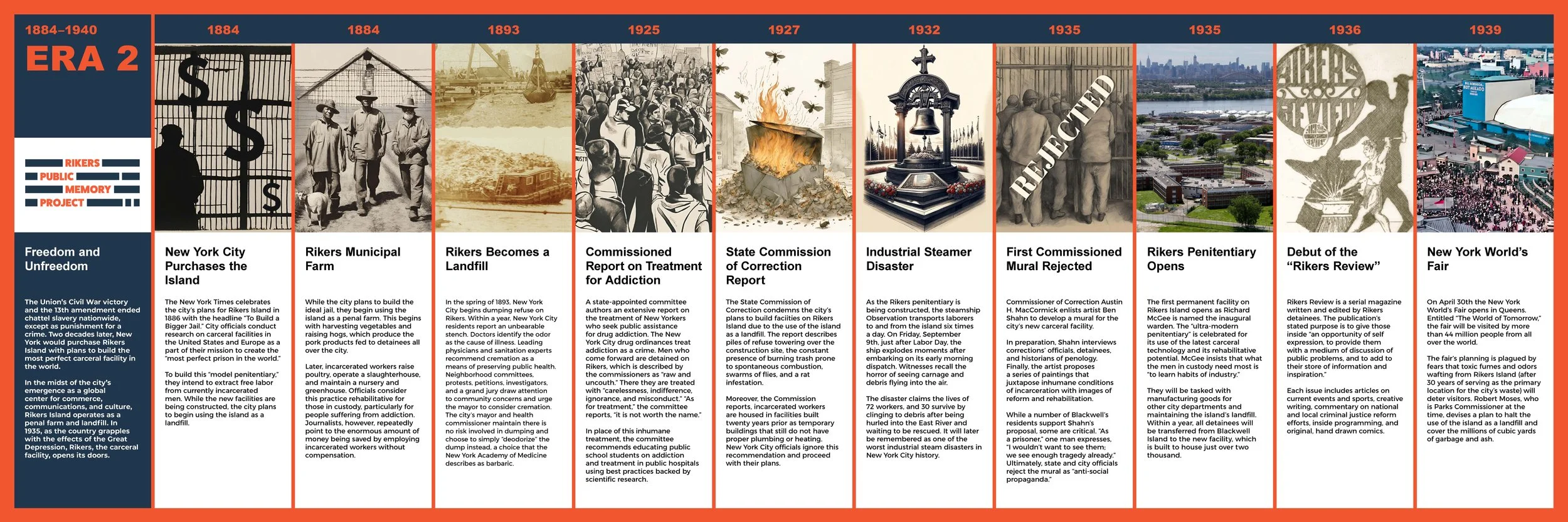
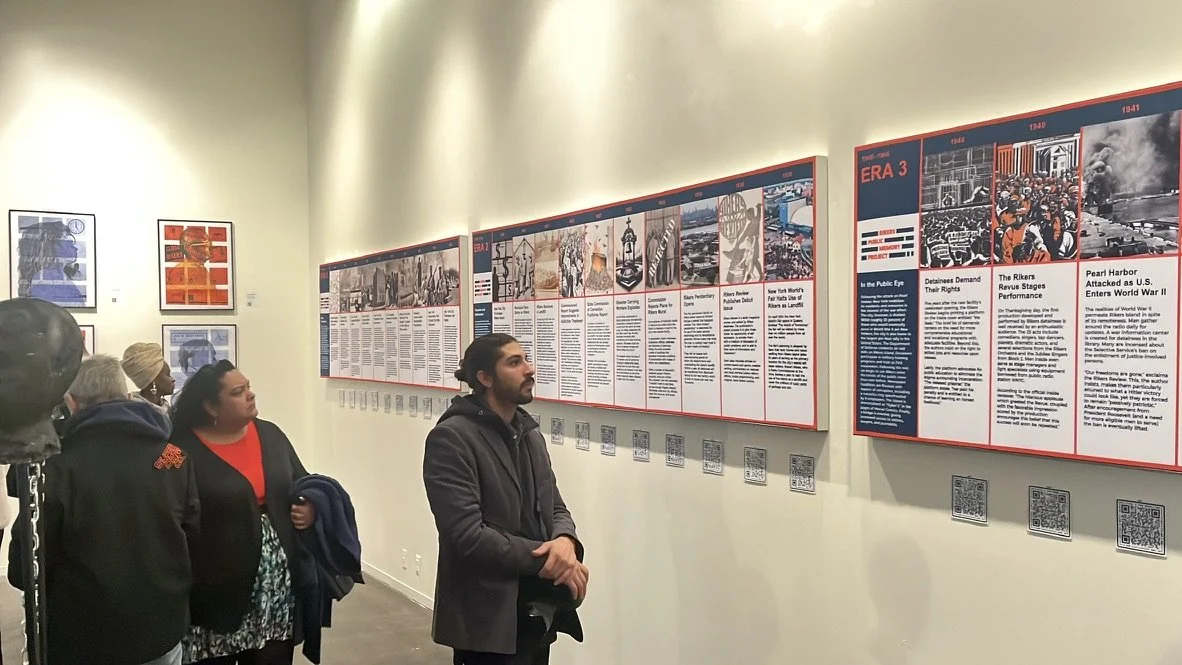
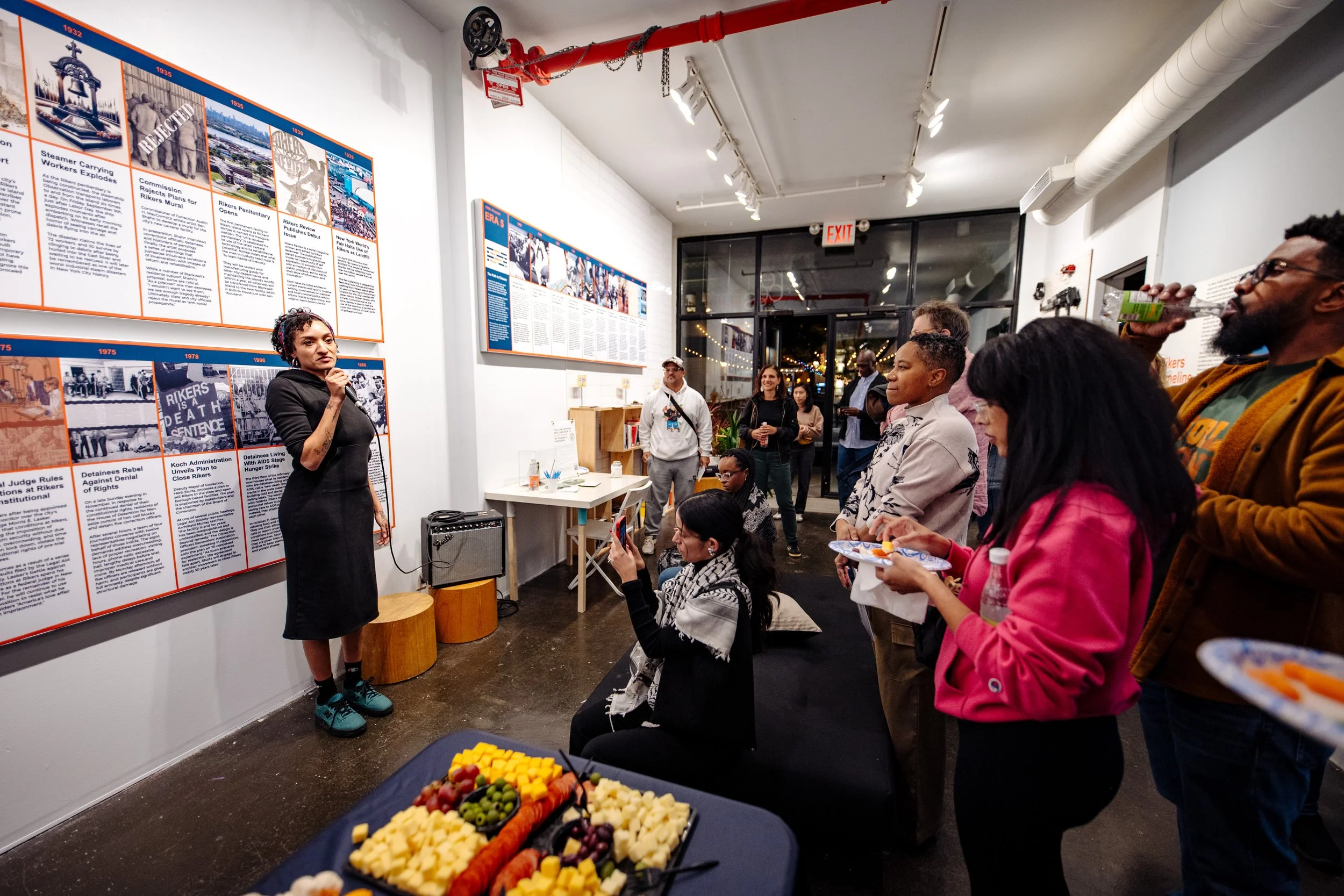
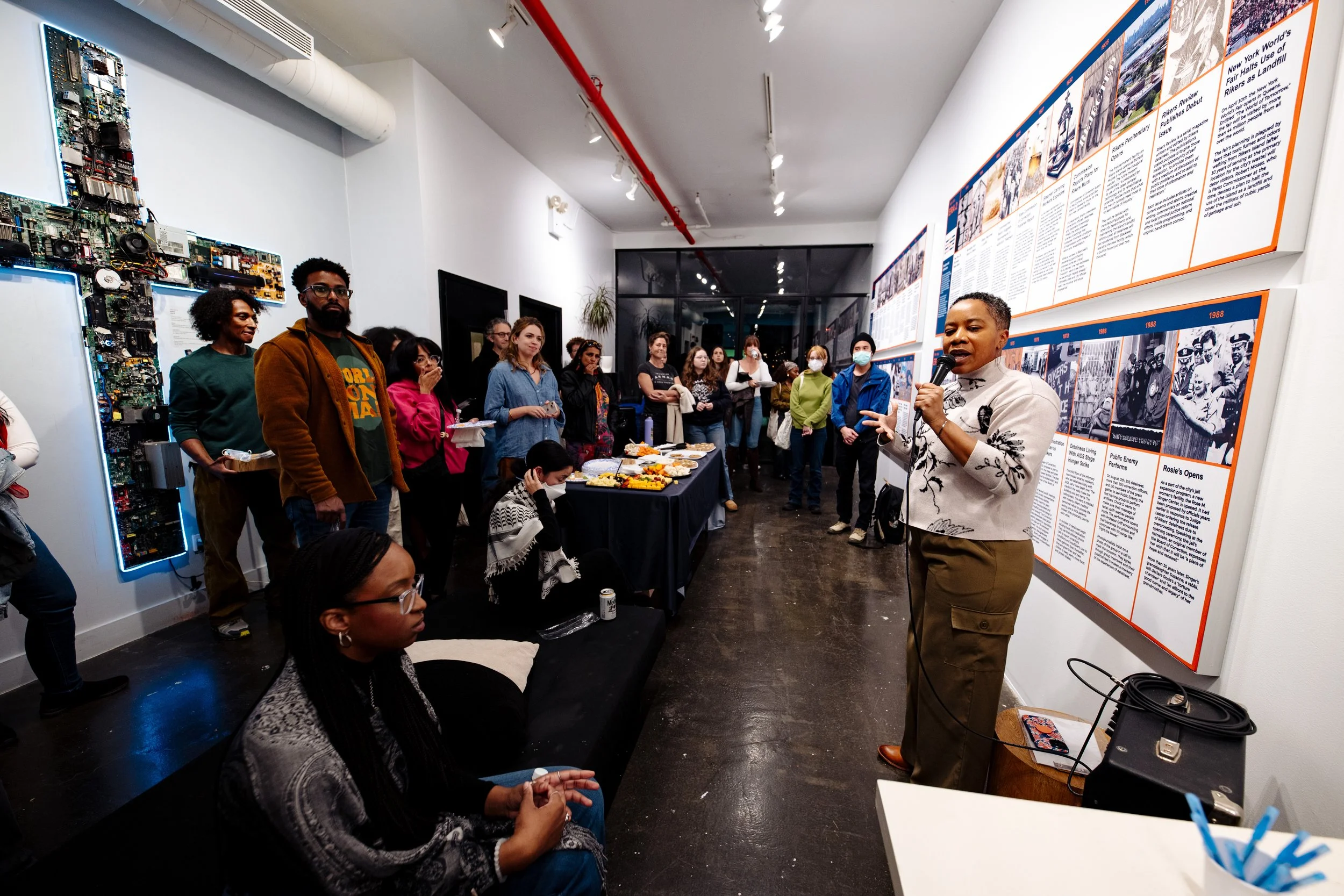
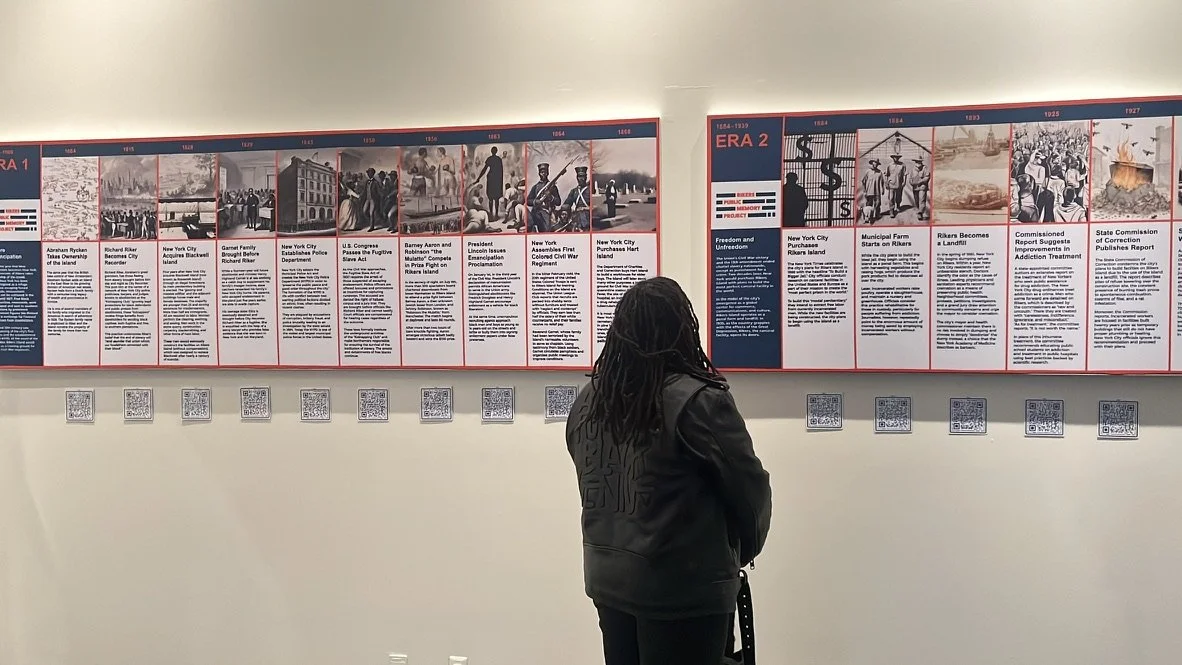
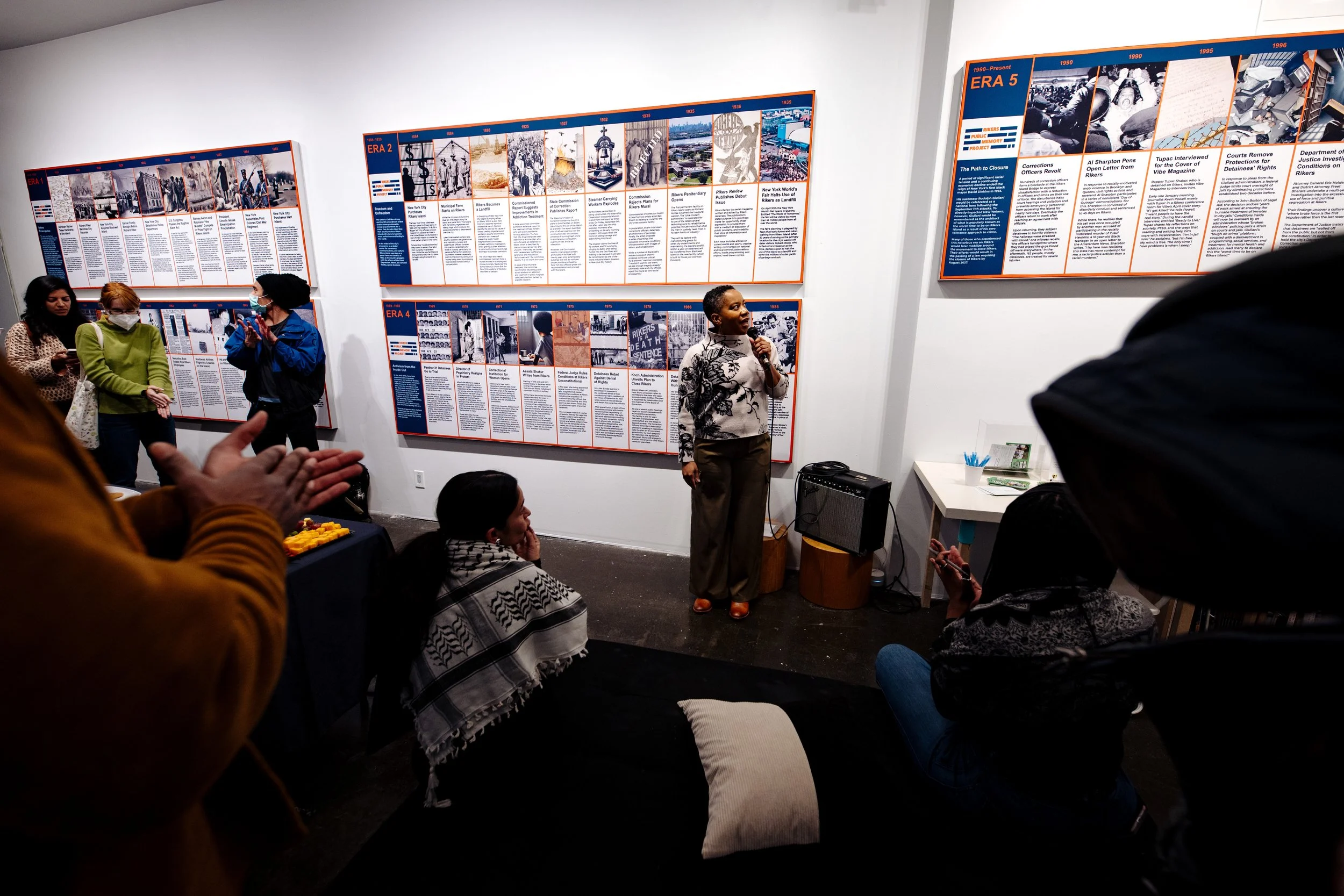
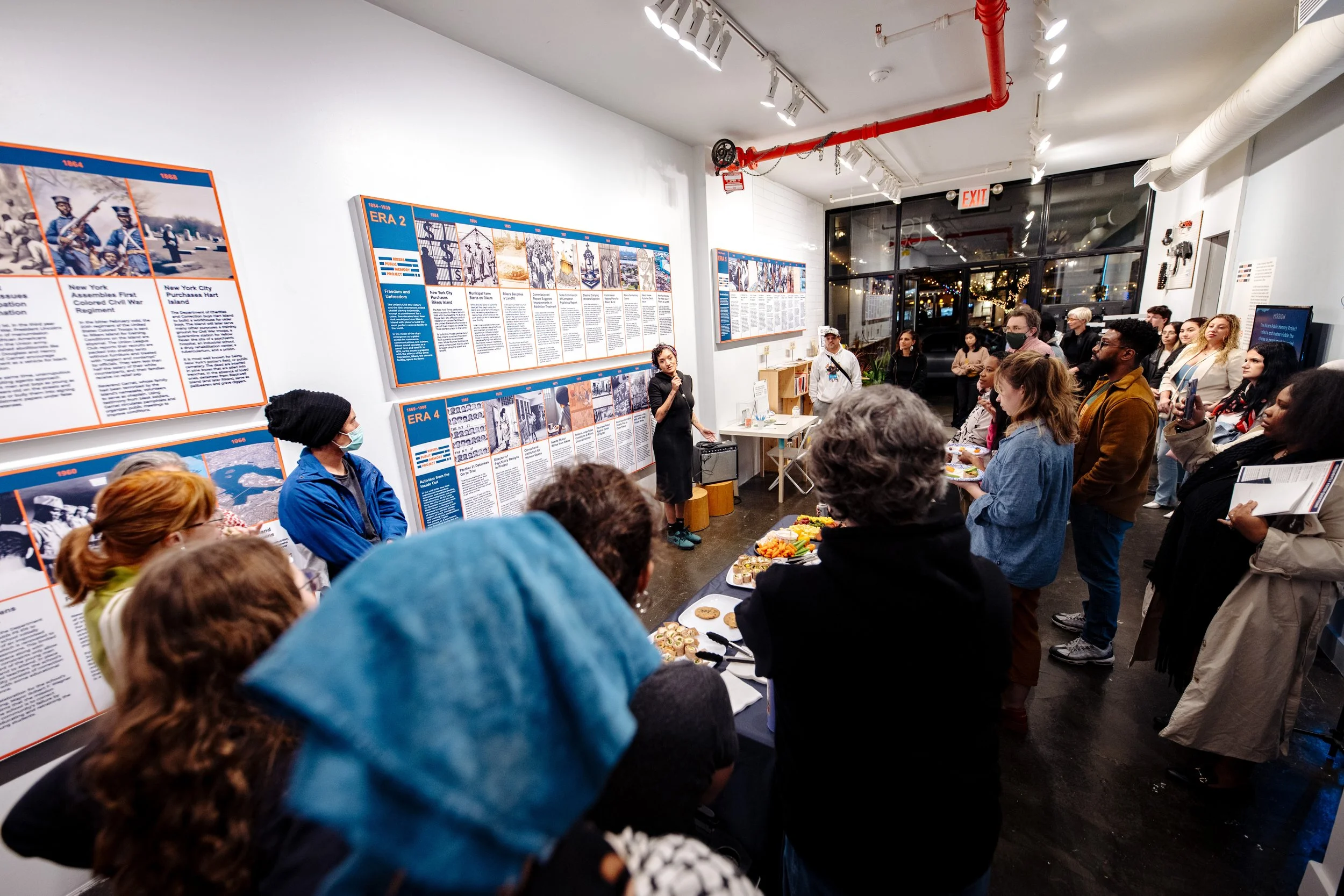
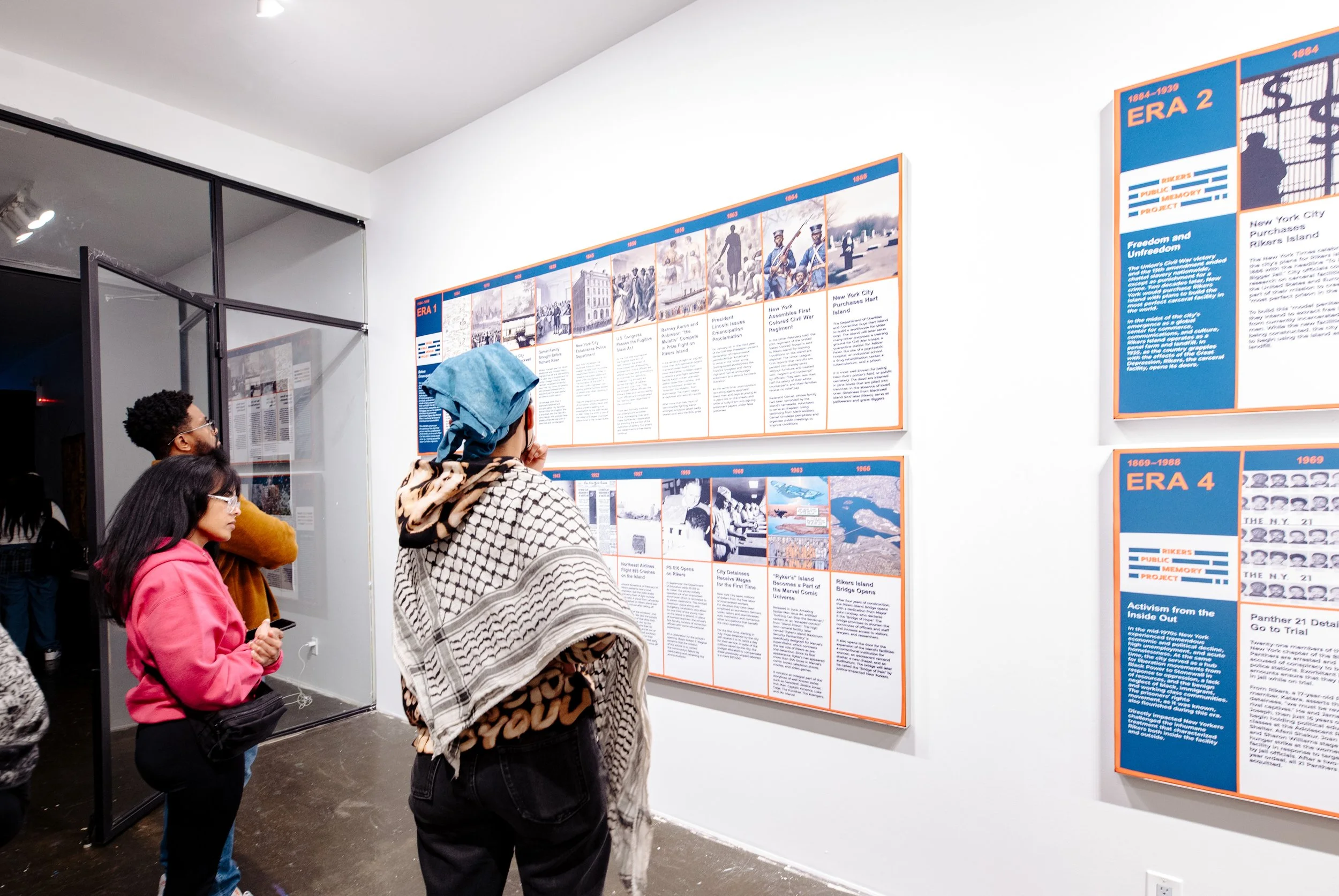
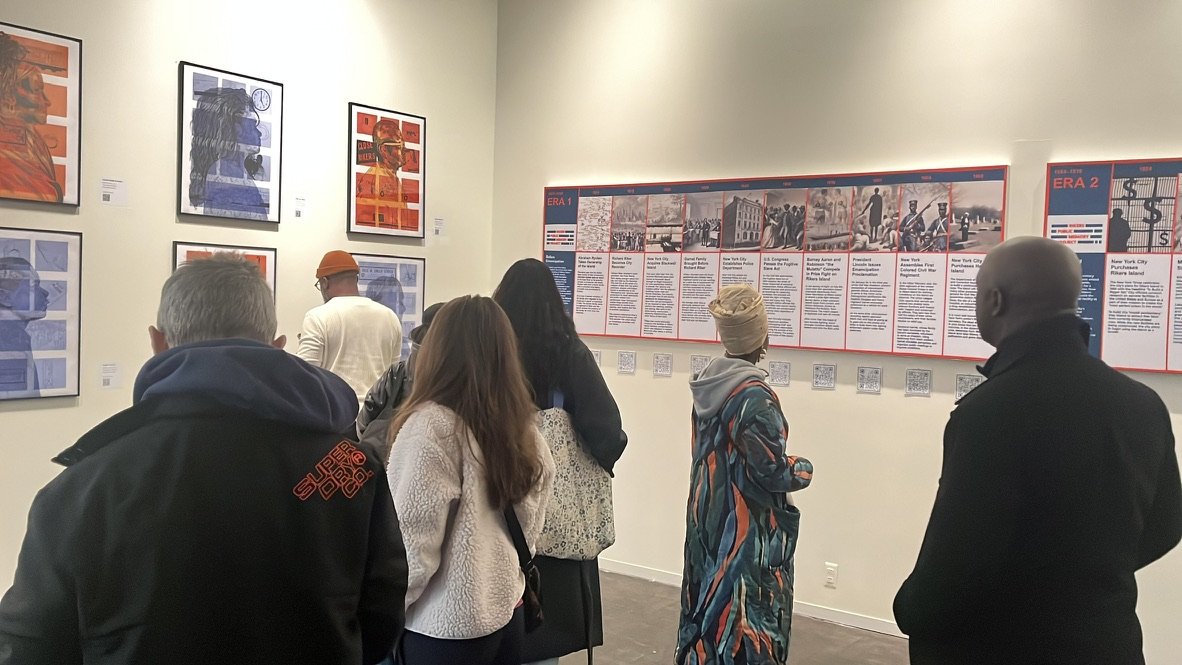
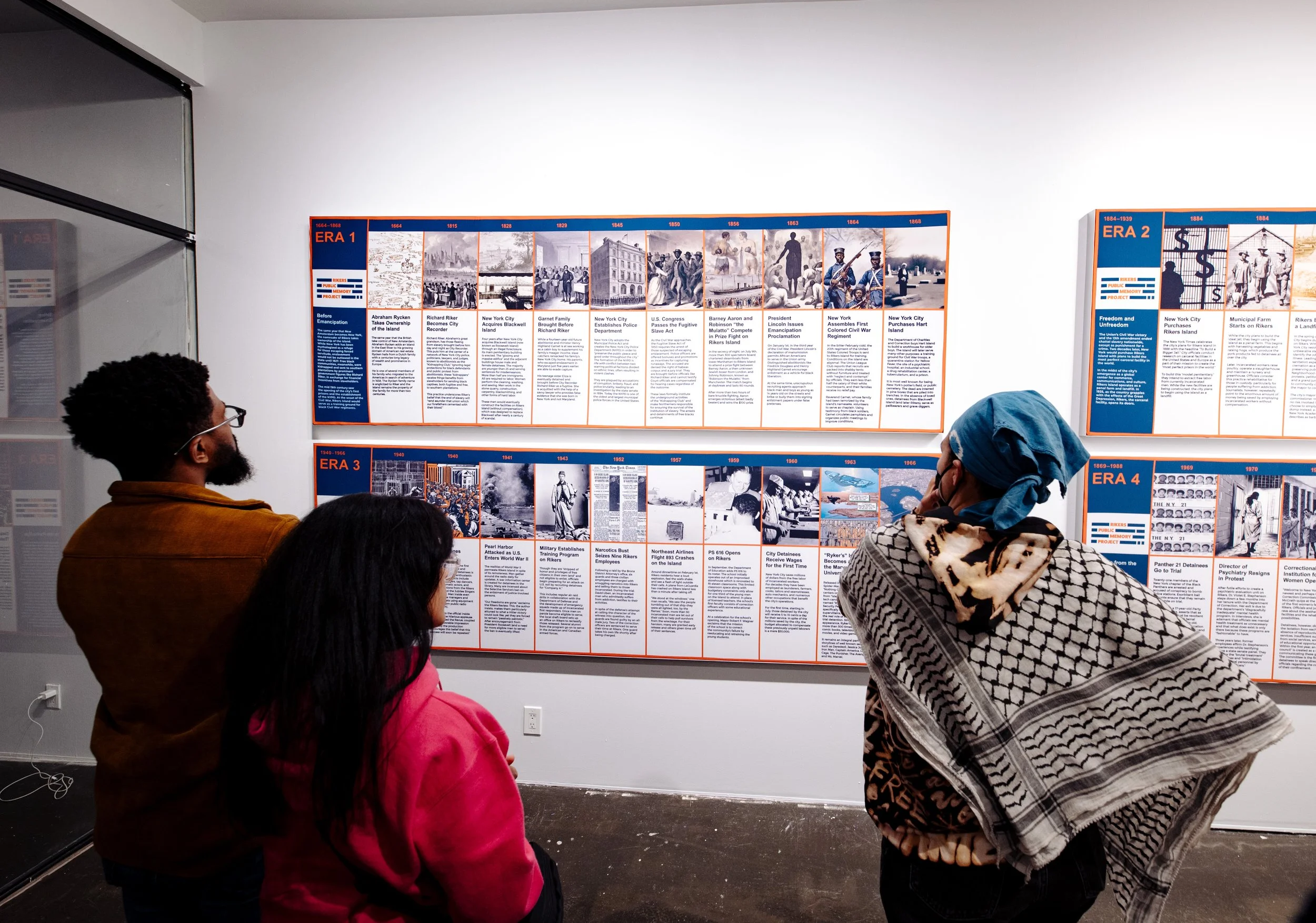
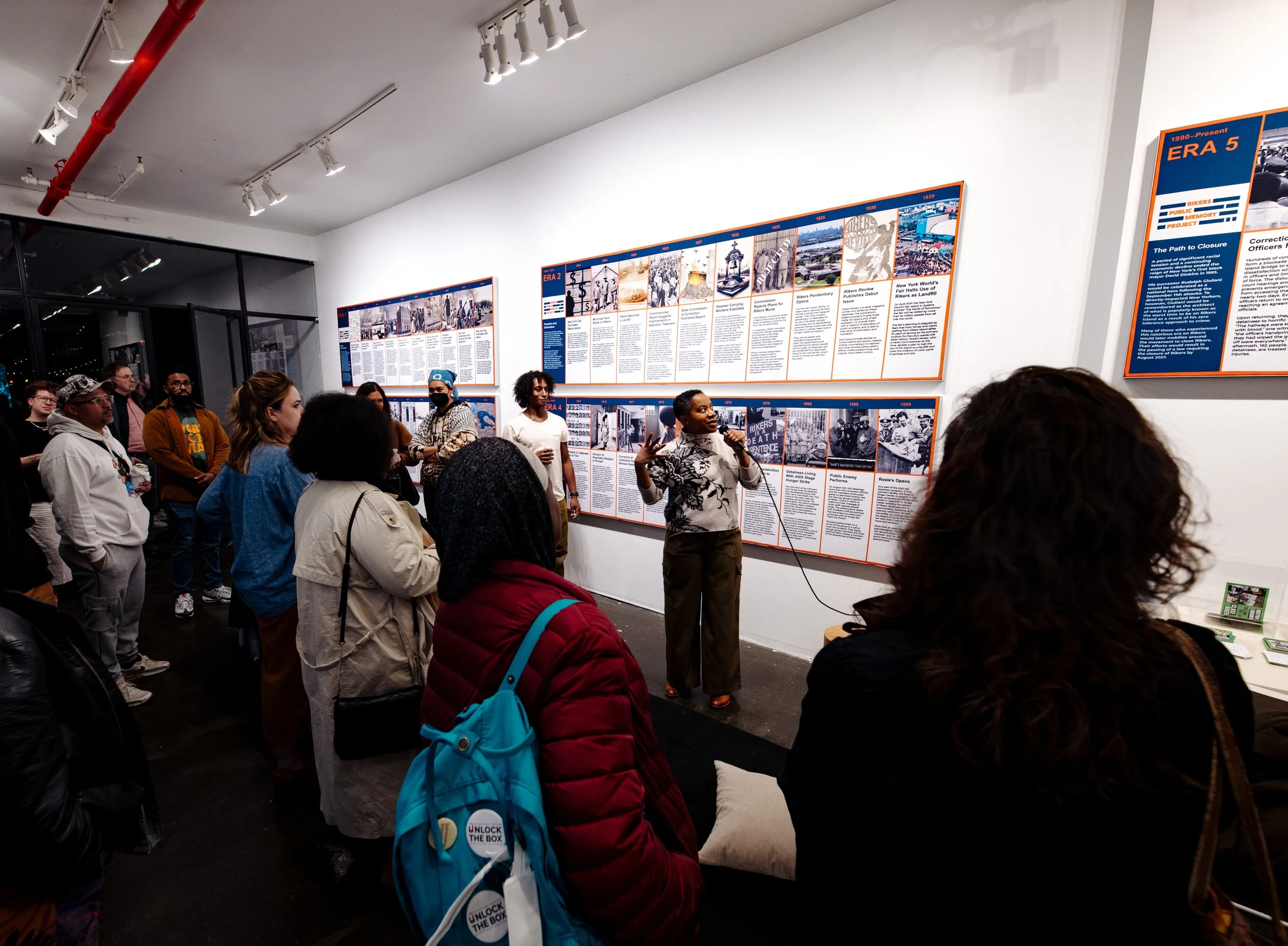
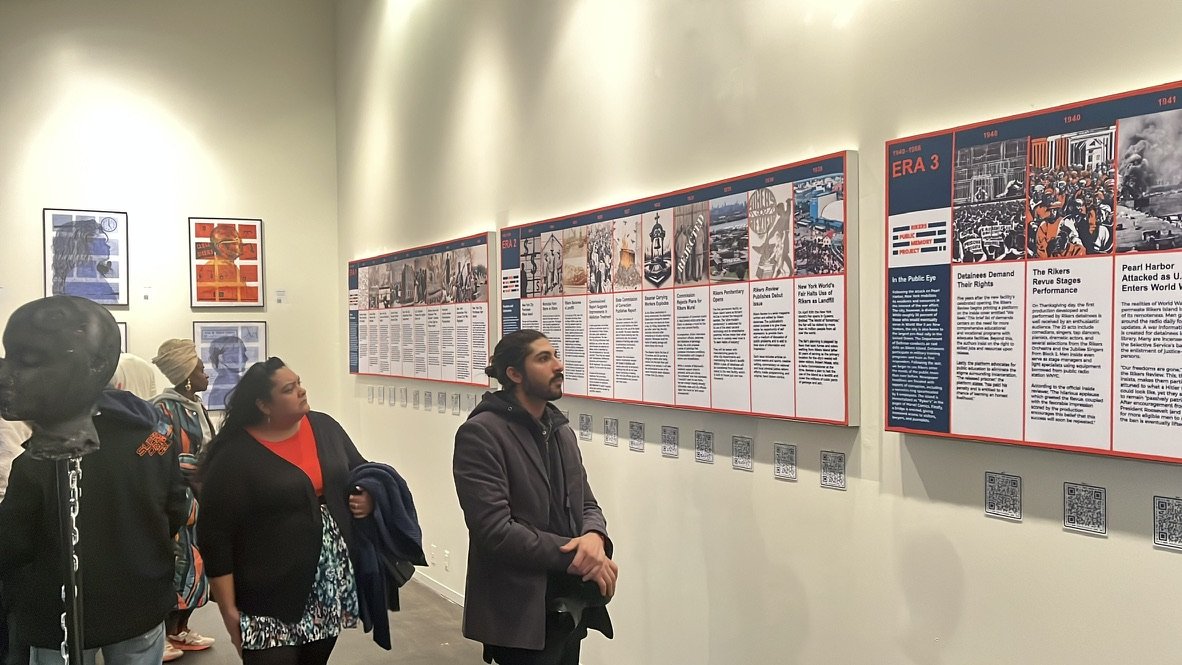
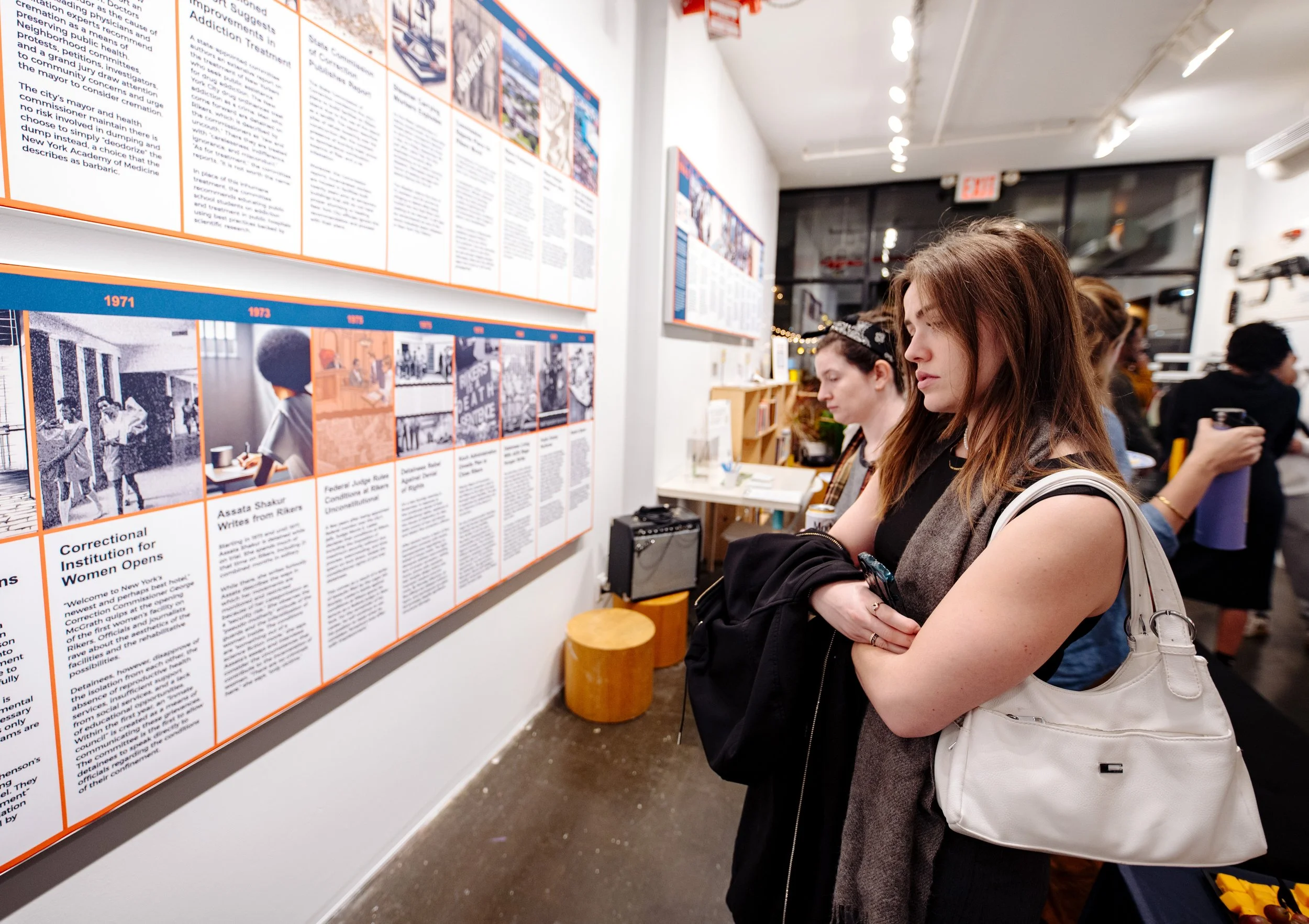
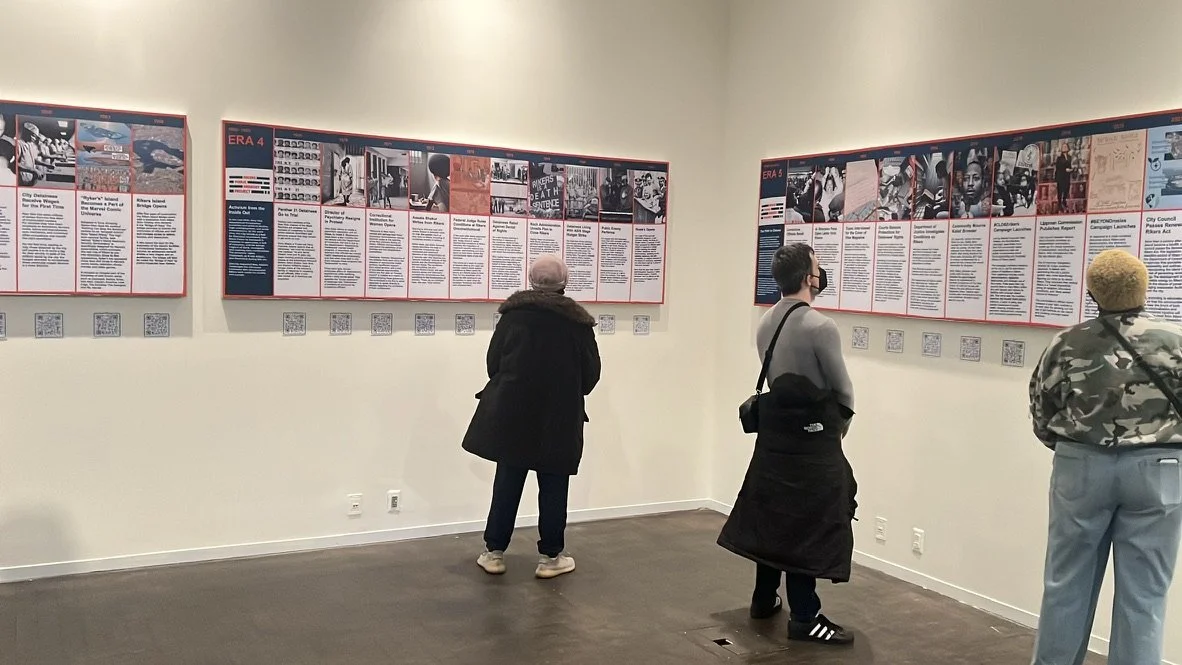
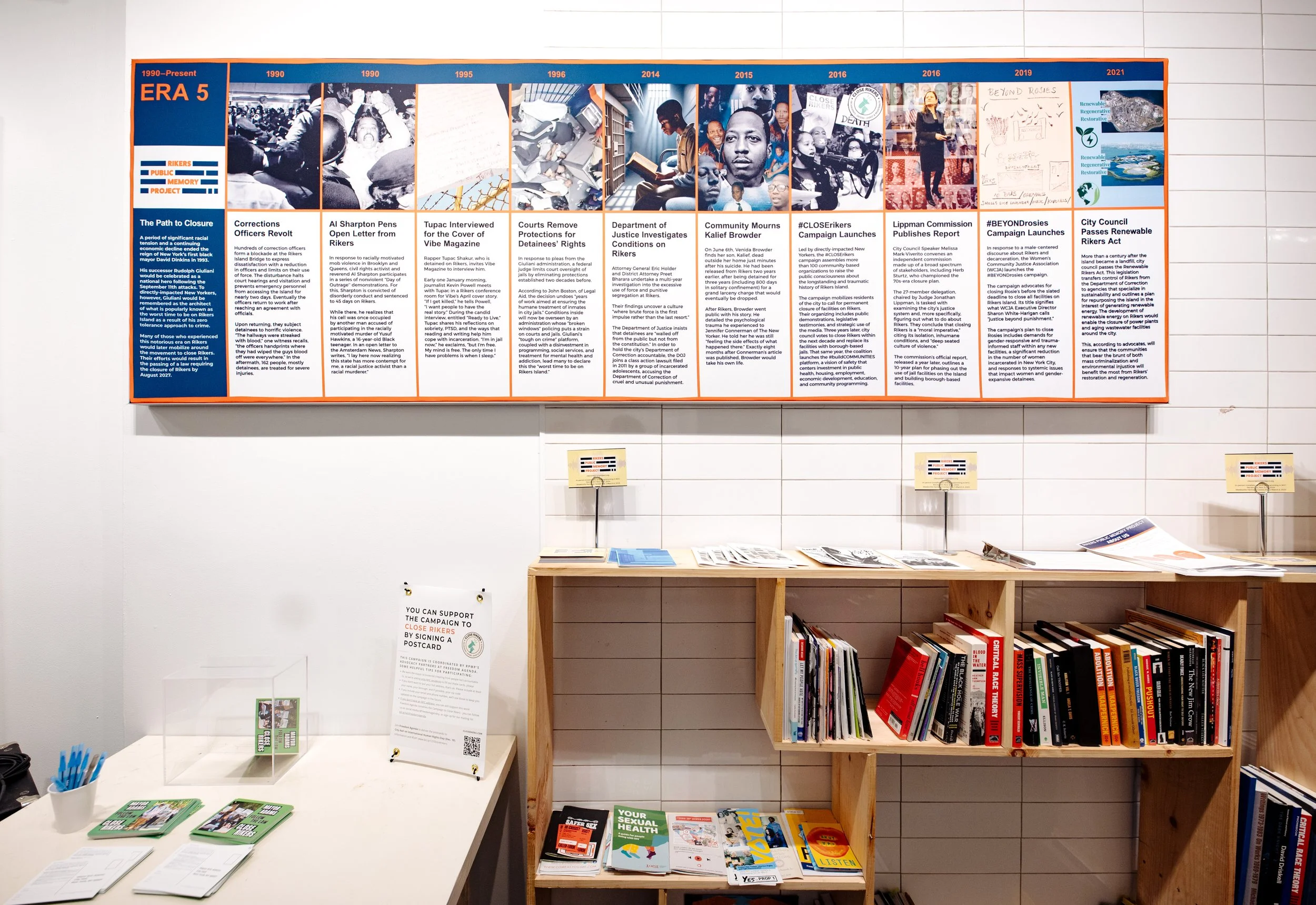
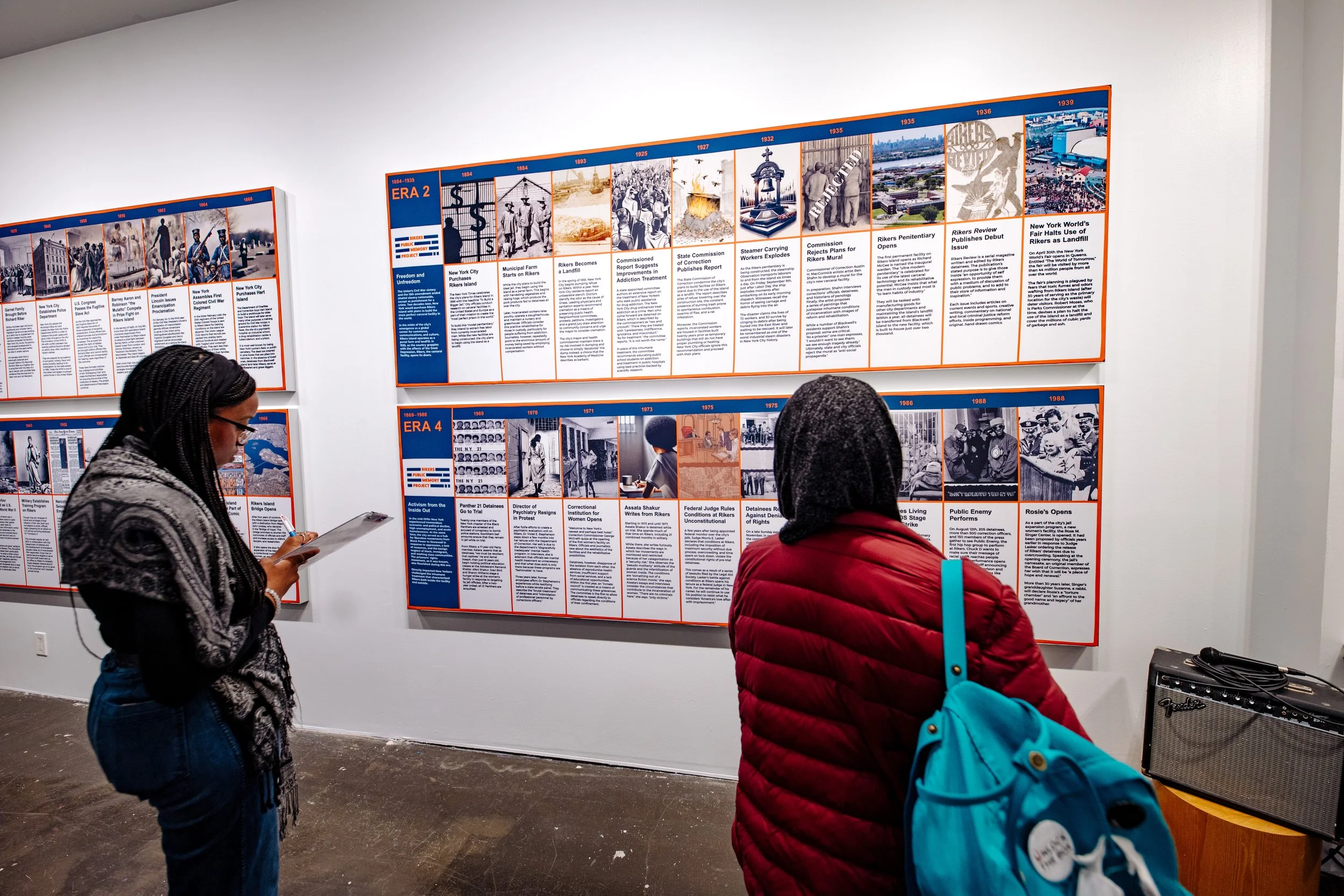
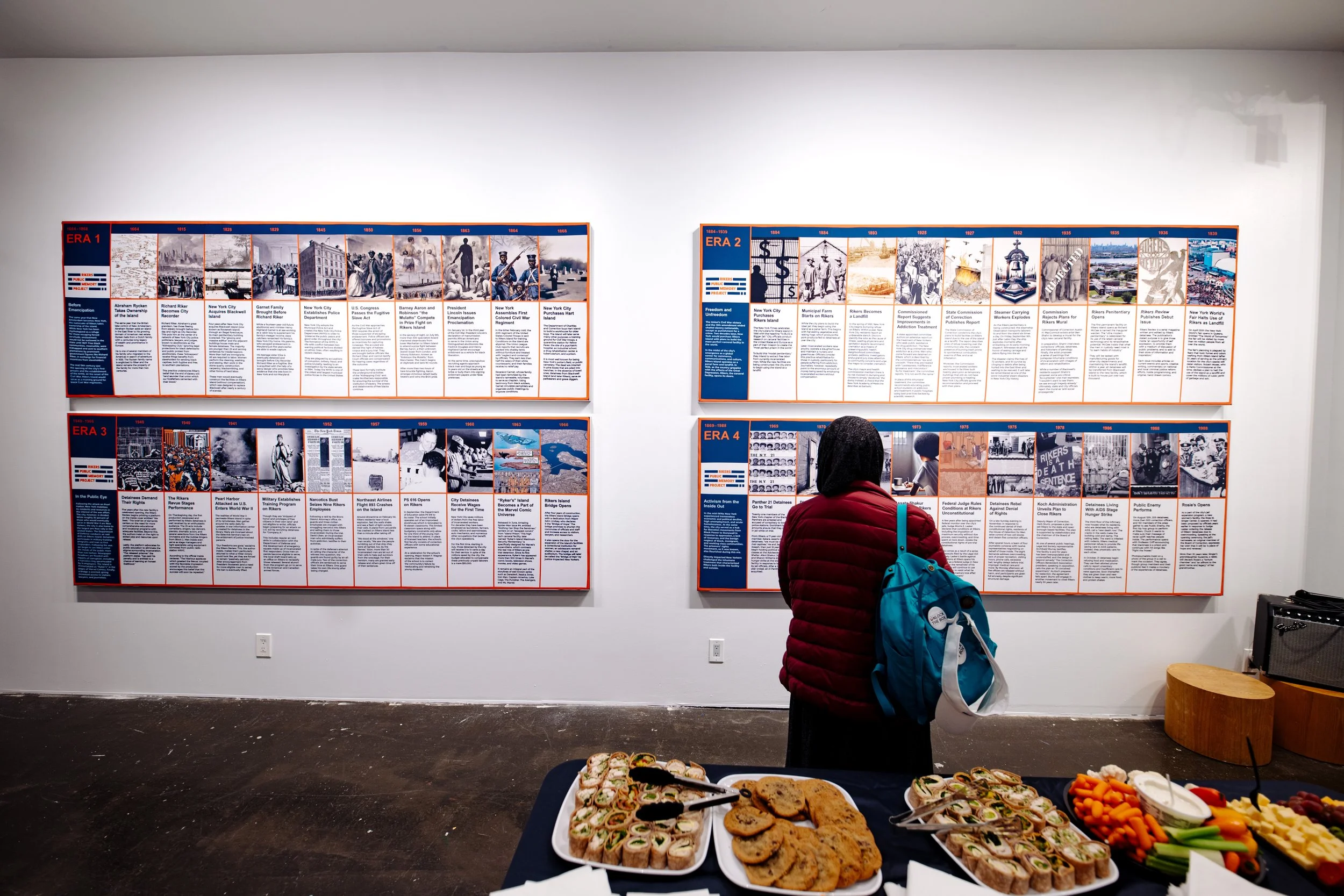
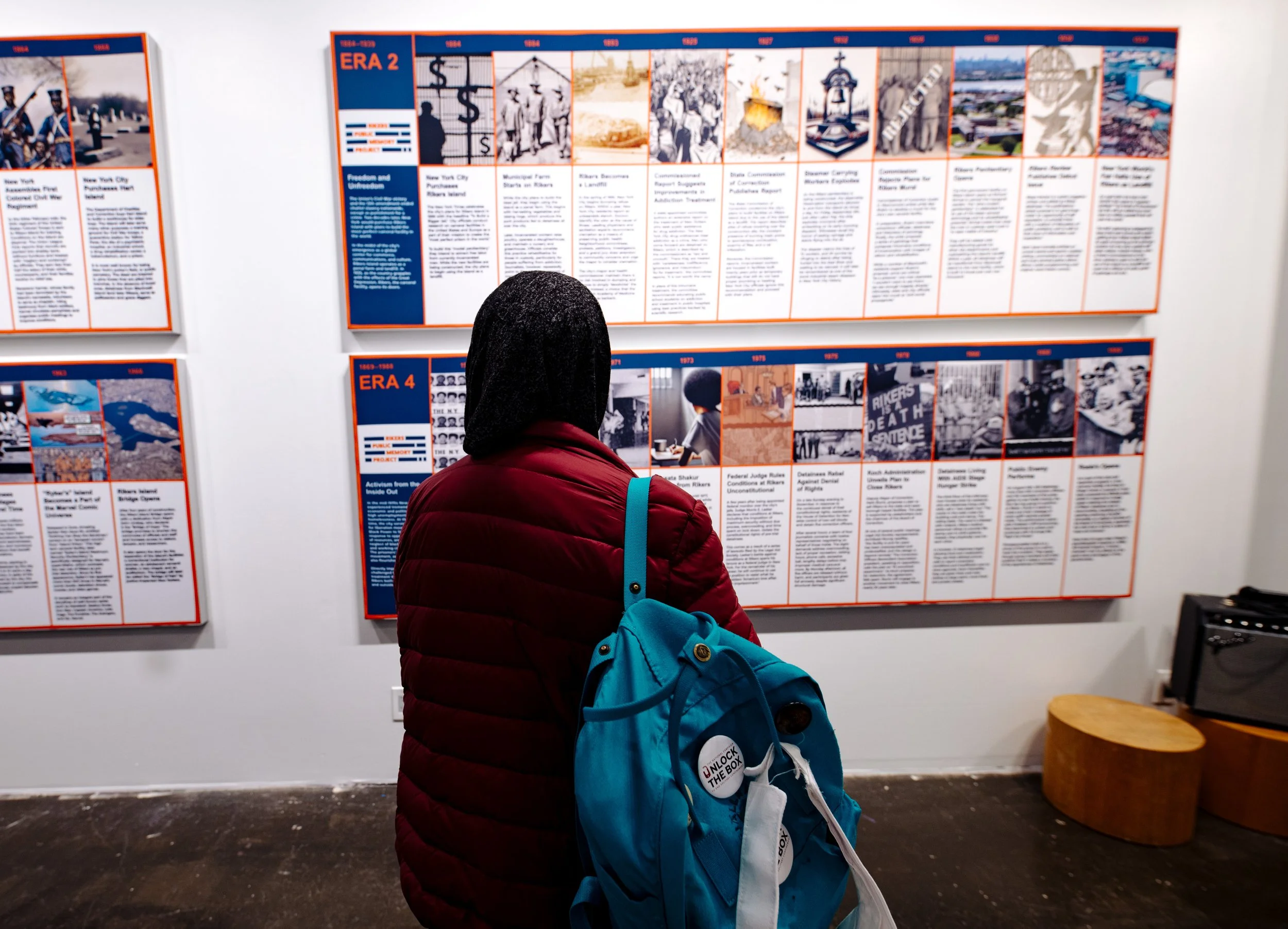
From 2023 through 2025, Isaac Scott partnered with historian Dr. Shana Russell to develop the Rikers Island Timeline as part of the Rikers Public Memory Project. Together, we examined more than two centuries of history, tracing the evolution of Rikers Island alongside the social, political, and cultural history of New York City.
What began as a historical research project became something much deeper. Every conversation challenged us to think about whose stories are remembered, whose voices are omitted, and how public memory can influence public policy. The timeline reflects our shared belief that history should center the humanity of the people most directly impacted by incarceration while honestly confronting the systems that created and sustained Rikers Island.
Timeline Introduction
This timeline is a collaboration between visual artist Isaac Scott and historian Dr. Shana Russell. Isaac (CEO of Isaac’s Quarterly and Executive Director of The Confined Arts) brings to this project expertise in multiple artistic mediums and firsthand experience with the horrors of Rikers Island. Shana, an educator, researcher, and writer, has spent the last several years researching and documenting the history of Rikers Island in support of the movement towards closure. Together, they share a commitment to closing Torture Island and a belief in the radical possibilities of art and storytelling. To create the timeline, Isaac and Shana meticulously talked through each era of Rikers. The two wanted to tell a story that emphasized the humanity of those directly impacted by incarceration and centered their perspectives. At the same time, the timeline needed to expose its’ legacy of oppression that spans more than two centuries. Ultimately, Isaac and Shana concluded that the history of Rikers IS the history of New York City. The events of the timeline are representative of the impact of Rikers on New Yorkers alongside the consistent efforts of detainees, government officials, lawyers, activists, community organizations, mental health professionals, and individuals to mitigate that impact and ultimately close Rikers for good.